

 See My Latest Article on HelloNation
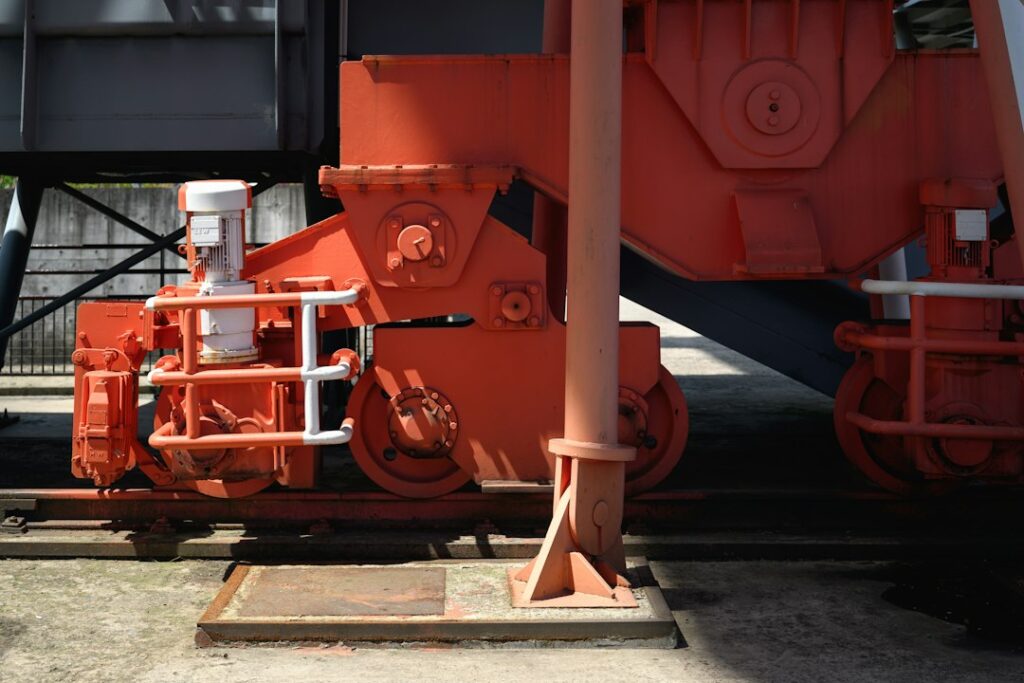
Industrial vibrators help railcar unloading systems move bulk materials more consistently from the car into receiving equipment. They reduce bridging, sticking, and buildup inside hoppers, gates, and transfer points so materials such as grain, fertilizer, cement, minerals, and dry aggregates can discharge with fewer interruptions.
What problem do industrial vibrators solve?
Industrial vibrators address a basic handling problem: bulk material does not always flow freely under gravity.
Materials can form a bridge over an outlet, cling to steel walls, compact under pressure, or develop a funnel-shaped flow path that leaves material behind along the sides of a hopper. Moisture, fine particles, temperature changes, and long storage periods can make these conditions worse.
A vibrator transfers controlled mechanical energy into the railcar hopper or unloading structure. That energy helps loosen material at the walls and outlet, allowing gravity and the unloading system to do their intended work.
The goal is not to shake the entire railcar aggressively. Properly selected equipment produces enough force and frequency to encourage flow without damaging the car, its hopper, its gates, or nearby structures.
Where are vibrators installed during unloading?
Vibrators may be mounted directly to hopper walls, discharge chutes, gates, or external support structures. The correct location depends on the design of the railcar and the material being handled.
Common installation points include:
- Hopper slopes where material tends to hang up
- Areas above discharge gates
- Chutes leading to conveyors or storage bins
- Transfer points where material changes direction
- Structural sections designed to accept vibration
A vibrator mounted too far from the problem area may waste energy without improving flow. A unit mounted directly on a thin or unsupported panel may create excessive stress. For this reason, mounting surfaces, reinforcing ribs, welds, fasteners, and the direction of force all matter.
Some unloading systems use a single vibrator, while larger or more difficult applications use multiple units. Multiple vibrators must be coordinated so they support material movement rather than creating conflicting patterns.
Which types of industrial vibrators are used?
The main categories used in bulk-material unloading include pneumatic, electric, and hydraulic vibrators.
Pneumatic vibrators use compressed air to create rapid mechanical motion. They are common where adjustable operation, simple controls, or resistance to dusty conditions is needed. Their performance depends on the available air pressure, air volume, piping, and filtration.
Electric vibrators use an electric motor with rotating eccentric weights or another vibration-producing mechanism. They can provide consistent operation and convenient automated control. Electrical classification is especially important in dusty environments because combustible dust may require specially rated equipment and installation methods.
Hydraulic vibrators are useful when a hydraulic power system is already available or when high force is required in a demanding setting. They may be selected for heavy-duty applications, although their controls and maintenance requirements can be more involved.
There is no universal “strongest” choice. The suitable vibrator depends on material properties, hopper geometry, wall thickness, operating temperature, available utilities, and the required duty cycle.
How does vibration improve the unloading process?
Vibration assists unloading in several ways.
First, it can break the frictional grip between the material and the hopper wall. This is useful for fine or cohesive materials that tend to stick.
Second, vibration can interrupt arching or bridging above an outlet. Once the bridge collapses, material can resume moving through the gate.
Third, it can reduce residual buildup in corners and along sloped surfaces. Less leftover material means fewer manual cleanouts and less mixing between different loads.
Fourth, controlled vibration can help maintain a steadier feed into conveyors, receiving pits, or storage equipment. A more consistent flow reduces sudden surges that may overload downstream machinery.
The effect is usually greatest when the vibrator is operated only as needed. Continuous operation is not automatically better. Excessive vibration can compact some materials, accelerate wear, loosen fasteners, or transmit unwanted forces into the supporting structure.
What materials benefit most from railcar vibration?
Vibration is often useful for dry bulk materials that are difficult to discharge reliably. Examples include:
- Grain and other agricultural commodities
- Fertilizer products
- Powdered minerals
- Cement and similar fine powders
- Sand, gravel, and crushed aggregate
- Plastic pellets and certain industrial powders
- Salt and other granular products
Material behavior varies even within the same general category. A dry granular product may flow easily in one season but become cohesive after absorbing humidity. Fine powders may aerate and flow differently from coarse particles. Materials stored under pressure can also develop stronger resistance to movement.
In Little Rock, AR, seasonal humidity and changing weather conditions can affect how some bulk materials behave during storage and unloading. Moisture control, covered equipment, and proper inspection are often just as important as the vibrator itself.
Can vibration damage a railcar or unloading system?
Yes, if the equipment is improperly selected, mounted, or operated.

Potential problems include cracked welds, loosened fasteners, fatigue in hopper panels, damage to gates, excessive noise, and vibration transferred into conveyors or foundations. Repeated stress can be more damaging than a single strong vibration event.
A safe system accounts for:
- The strength and thickness of the mounting surface
- Structural bracing and weld condition
- Vibrator force and operating frequency
- The duration and frequency of operation
- Nearby bearings, sensors, gates, and electrical equipment
- Dust, temperature, and moisture conditions
Operators should watch for new rattling, visible movement in structural members, cracked paint near welds, loose hardware, abnormal noise, or changes in discharge performance. These signs may indicate that the vibration pattern or mounting arrangement needs review.
How are vibrators controlled?
Controls range from a local on-off switch to automated systems linked with railcar gates, level sensors, flow meters, and conveyor controls.
Intermittent operation is common. A vibrator may run for a short period when material begins to hang up, then stop once flow resumes. Timers and automatic controls can reduce unnecessary operation, but they should not replace observation and maintenance.
Operators also need a clear procedure for lockout and stored-energy control. Before inspecting a hopper or reaching into an unloading area, all relevant electrical, pneumatic, hydraulic, and mechanical energy sources must be isolated according to the facility’s safety program.
No vibrator eliminates the need for safe access procedures. Moving gates, rotating equipment, compressed air, falling material, and confined spaces can all present serious hazards.
What should be checked before choosing or replacing a vibrator?
The most useful starting information is the actual flow problem, not simply the size of the railcar.
Important details include:
- Material type, particle size, moisture content, and bulk density
- Hopper shape, slope, outlet dimensions, and wall material
- Existing discharge rate and the desired rate
- Available electrical, pneumatic, or hydraulic power
- Dust classification and environmental conditions
- Mounting location and structural capacity
- Whether operation will be manual, timed, or automatic
A vibrator should be treated as part of the complete unloading system. If the real problem is a blocked gate, poorly angled hopper, excessive moisture, damaged lining, or undersized receiving equipment, vibration alone may provide only temporary improvement.
Regular inspections should include mounting bolts, brackets, welds, wiring, air lines, guards, and unusual material buildup. Keeping the vibrator clean and operating it within its rated conditions helps prevent small defects from becoming larger equipment failures.
IMAGE_ALT:
Industrial vibrator mounted to a railcar hopper as dry bulk material flows through the unloading gate.