

 See My Latest Article on HelloNation
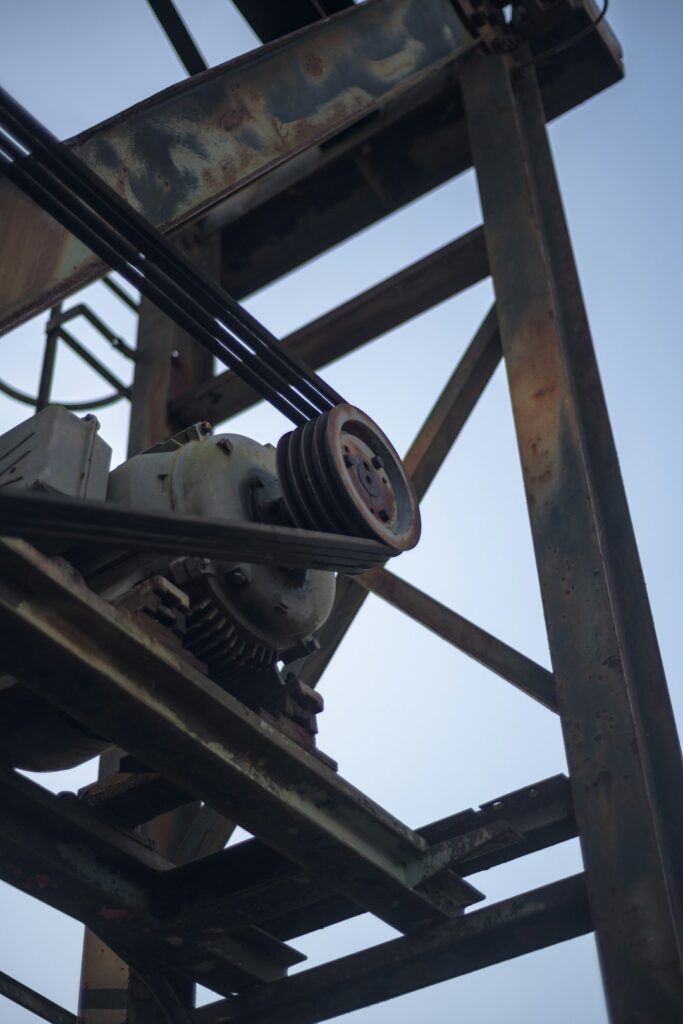
Industrial vibrators are used to move, settle, feed, compact, or separate materials. They may be attached to hoppers, bins, chutes, screens, tables, molds, or processing equipment. Their performance depends not only on the vibrator itself, but also on how it is mounted.
A poorly mounted vibrator can create excessive noise, loosen fasteners, damage supporting structures, reduce material flow, and shorten equipment life. Correct installation helps the machine deliver controlled force instead of transferring unwanted vibration into the surrounding structure.
Why does vibrator mounting matter?
Proper mounting directs vibratory force into the material or machine surface that needs it. Incorrect mounting can allow energy to escape through the frame, foundation, connected piping, or nearby equipment.
Common results of poor mounting include:
- Uneven or weak material movement
- Fasteners that loosen repeatedly
- Cracks around mounting holes and cracked welds
- Distortion of hoppers, chutes, or support frames
- Increased noise and structure-borne vibration
- Premature bearing, motor, or housing wear
- Higher maintenance frequency
The mounting surface must be strong enough to carry the vibrator and rigid enough to respond predictably. A flexible or damaged surface may absorb force in some areas and amplify it in others.
What should be checked before installation?
The first step is to inspect the equipment and determine how the vibrator’s force will travel through the structure. Mounting a unit before checking the supporting surface often creates problems that are difficult to correct later.
Inspect the following:
- The thickness and condition of the mounting plate and bin wall
- Existing cracks, bends, corrosion, or weld damage
- The spacing and alignment of mounting holes
- Access for tools and future maintenance
- Clearance from guards, piping, wiring, and moving parts
- The operating temperature and moisture level
- Whether the structure is fixed, suspended, mobile, or flexible
In the hot, humid conditions that can occur in central Arkansas, corrosion and moisture deserve special attention. Rust around mounting holes can reduce clamping strength, while water intrusion can affect electrical connections and fasteners. Outdoor or washdown installations may need additional protection appropriate to the equipment design.
How should the mounting surface be prepared?
The mounting surface should be clean, flat, rigid, and properly aligned. Paint buildup, weld spatter, burrs, dirt, or rust under the mounting feet can create uneven contact.
A good preparation process generally includes:
1. Remove debris and loose coatings from the contact area.
2. Confirm that the surface is flat enough for full contact.
3. Repair cracks or structural damage before attaching the vibrator.
4. Verify that holes match the equipment layout.
5. Check that the mounting plate is adequately reinforced.
6. Confirm that the vibrator will sit level unless the equipment design specifies another position.
Shims may be appropriate in some installations, but improvised spacers or stacked washers can create unstable contact. Any correction should preserve a broad, firm contact area and maintain the intended bolt alignment.
Which fasteners and tightening practices are appropriate?
Fasteners must be selected for the equipment’s operating force, mounting design, and environment. The correct size alone is not enough. The fastener grade, washer arrangement, thread condition, and tightening method all affect reliability.
Bolts should pass squarely through the mounting holes without being forced into alignment. Threads should be clean and undamaged. Washers should support the joint properly rather than dig into a thin plate.
Follow the equipment manufacturer’s specified tightening sequence and torque. Over-tightening can distort a housing or crush a mounting surface. Under-tightening allows movement between the vibrator and its support, which can rapidly enlarge holes and damage the joint.
Vibration-resistant locking methods may include properly selected prevailing-torque nuts, locking fasteners, or other approved methods. A locking method should not be treated as a substitute for correct torque and a structurally sound mounting surface.
Why is alignment important?
Alignment affects how force enters the equipment. A vibrator mounted at an unintended angle may produce uneven movement, side loading, or twisting.
For example, a unit attached to a sloped hopper may need to follow a specific orientation to move material toward the discharge point. On a vibrating table, the mounting position may influence whether the load spreads evenly or collects in one area.
Before final tightening, verify:
- The vibrator is oriented according to the equipment design.
- The mounting feet sit evenly.
- The shaft or housing is not being twisted by the support.
- Connected chutes, ducts, and piping are not pulling against the vibrating surface.
- Flexible connections remain flexible and are not accidentally bridged by rigid hardware.
Rigidly connecting a vibrating component to nearby stationary equipment can transfer vibration into walls, floors, platforms, or utility lines. That may increase noise and create failures outside the original machine.
Should vibration isolators always be used?
No. Isolation mounts are useful in some applications, but they are not automatically appropriate for every vibrator.
A vibrator directly attached to a hopper, screen, or chute may need a firm connection so its force reaches the material surface. Adding soft isolators without considering the machine’s operating frequency, weight, and force can reduce performance or create resonance.
Isolation may be more appropriate for equipment where vibration must be kept away from the building or surrounding machinery. The isolator must be selected for the actual load and operating conditions. An incorrectly selected isolator can make vibration and noise worse rather than better.
This distinction is often misunderstood: a mount that reduces transmitted vibration is not necessarily the right mount for a process vibrator whose purpose is to transfer force into a structure.
What safety steps are needed during installation?
Installation and adjustment should be performed with the equipment de-energized and secured against unexpected startup. Lockout and tagout procedures are necessary when workers could be exposed to moving parts, electrical energy, stored pressure, or unexpected machine movement.

Before testing:
- Replace guards and covers.
- Remove tools, loose hardware, and temporary supports.
- Confirm that nearby workers are clear.
- Check that wiring is protected from rubbing and heat.
- Make sure the mounting bolts are tightened.
- Verify that the equipment can move as intended without striking adjacent surfaces.
Initial testing should begin with a controlled observation rather than an extended production run. Watch for unusual noise, walking, rocking, contact, loose hardware, or changes in material flow.(Note: Vibrators are not recommended to run on an empty hopper. If this must be done during testing, keep the run time to a minimum and expect more visible vibration and noise.)
What should be inspected after startup?
A new installation should be checked again after the first operating period. Vibration can reveal problems that were not visible while the machine was stopped.
Look for:
- Shiny contact marks showing movement between parts
- Loosened nuts or stretched fasteners
- Cracks near welds or mounting holes
- Increasing noise or rattling
- Excessive heat at the motor or bearing housing
- Uneven product movement
- Vibration appearing in nearby platforms, piping, or walls
The inspection interval depends on operating speed, duty cycle, load, environment, and equipment condition. High-cycle equipment generally requires more frequent checks than machinery used occasionally.
When does unusual vibration indicate a larger problem?
A vibrator that suddenly becomes louder, weaker, hotter, or more erratic may have a mounting problem, but the cause could also be electrical, mechanical, structural, or process-related.
Possible causes include:
- Loose or damaged mounting hardware
- Cracked support steel
- Worn bearings
- Unbalanced rotating parts
- Material buildup
- Incorrect operating voltage
- Changes in product weight or moisture
- A blocked outlet or overloaded hopper
Continuing to operate equipment with visible structural damage, exposed wiring, severe overheating, or rapidly increasing vibration can create a safety hazard. The machine should be isolated from service until the cause is understood and the equipment can be examined safely.
Proper mounting is not a minor installation detail. It determines how effectively a vibrator performs, how much stress reaches the supporting structure, and how reliably the equipment operates through changing loads and seasonal conditions. Careful surface preparation, correct fastener practices, appropriate alignment, and follow-up inspection provide the foundation for safe and predictable vibration control.