

 See My Latest Article on HelloNation
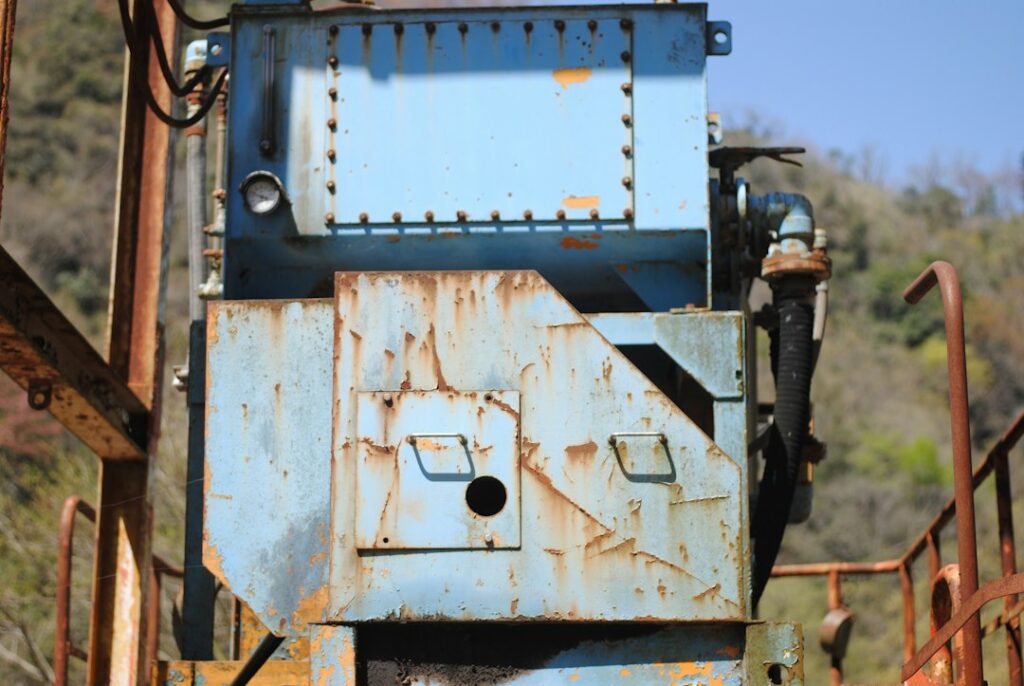
Industrial vibrators help move, settle, separate, or compact materials in equipment such as hoppers, bins, chutes, feeders, screens, molds, and packaging systems. Choosing the right unit depends less on motor size than on the material, equipment design, vibration pattern, operating environment, and desired result.
A vibrator that works well on a dry powder may perform poorly on damp aggregate. An undersized unit may leave material bridging inside a hopper, while an oversized unit can damage welds, loosen fasteners, create excessive noise, or disrupt the process.
What should an industrial vibrator accomplish?
Start by defining the actual problem. Industrial vibrators are commonly used to:
- Prevent material from bridging or ratholing in a hopper
- Release material sticking to walls or corners
- Move bulk solids through a chute or feeder
- Improve screening or separation
- Settle concrete, powders, or packaged products
- Remove air pockets from molds
- Assist discharge from bins, silos, and transfer equipment
The correct vibrator should solve a specific flow or compaction issue without transmitting unnecessary force to the surrounding structure.
For example, a hopper holding fine, dry powder may need vibration to prevent arching over the outlet. A chute carrying damp aggregate may require a different combination of force and frequency because the material is heavier and more cohesive.
How does the material affect vibrator selection?
Material characteristics are usually the most important starting point. Consider the following:
- Particle size and shape
- Bulk density
- Moisture content
- Temperature
- Stickiness or cohesiveness
- Abrasiveness
- Whether the material is fragile, dusty, or prone to segregation
Fine, dry powders often respond well to higher-frequency, lower-amplitude vibration. Larger particles and heavier materials may require greater amplitude to begin moving. Sticky or compacted materials often respond better to slower, stronger vibration or an intermittent impact-style vibrator.
Moisture deserves special attention in the local climate. Seasonal humidity, rain exposure, and temperature changes can affect stored materials, particularly powders, soil products, grain-like materials, and aggregate. A material that flows freely during dry conditions may begin adhering to hopper walls after absorbing moisture.
Testing the material under expected operating conditions is more reliable than selecting equipment from material names alone.
What are frequency and amplitude?
Frequency describes how rapidly the vibrator cycles. Amplitude describes the distance or movement produced during each cycle. These characteristics work together, but they are not interchangeable.
High-frequency vibration produces many small movements and is often useful for fine, dry, free-flowing materials or screening applications. Low-frequency vibration produces fewer but stronger movements and may be more effective for cohesive, heavy, or damp materials.
Amplitude affects how far the structure and material are displaced. More amplitude is not automatically better. Excessive movement can compact some materials rather than loosen them, damage thin walls, increase noise, or cause material segregation.
The goal is enough force and movement to overcome resistance while preserving the equipment and product.
Which type of industrial vibrator is appropriate?
Several vibrator designs are used in industrial applications.
Electric vibrators
Electric vibrators use rotating eccentric weights to produce vibration. They are common on hoppers, bins, screens, feeders, and tables. They are often selected where electrical power is available and consistent operation is required.
Their performance depends on mounting position, force rating, operating cycle, and the strength of the supporting structure. A unit designed for continuous duty should not be assumed suitable for short-cycle or high-temperature service without checking its specifications.
Pneumatic vibrators
Pneumatic units use compressed air and are useful where electrical equipment is undesirable or where rapid starting and stopping is needed. They can work well in dusty or wet areas when properly rated and installed.
Compressed-air quality matters. Water, oil, pressure fluctuations, or inadequate air volume can reduce performance and shorten service life. Operating cost may also be higher if the plant air system is inefficient.
Hydraulic vibrators
Hydraulic models are suited to applications requiring high force, variable speed, or integration with mobile and heavy equipment. They may be used in demanding environments where hydraulic power is already available.
Selection must account for pressure, flow rate, duty cycle, heat, hose routing, and contamination control.
Impact or piston vibrators
Impact-style units deliver a repeated striking action rather than only a smooth rotating motion. They are often considered for stubborn buildup, cohesive materials, and heavy-duty discharge problems.
Because the force is impulsive, mounting location and structural reinforcement are especially important. Poor placement can cause localized fatigue or damage.
Vibratory tables and compactors
These systems are designed to settle, densify, or consolidate material rather than simply clear a blockage. They are common for concrete products, molds, containers, castings, and packaged goods.
The table, load, isolation system, and operating frequency must be treated as one system. Adding a stronger vibrator to an existing table may produce uneven compaction or unsafe structural stress.
How much force is needed?
Force selection should consider the total vibrating mass, not just the empty hopper or chute. Include the weight of:
- The equipment being vibrated
- Material inside the equipment
- Liners, screens, grates, or attachments
- Any connected structure that will move with the unit
The mounting surface also matters. A thin sheet-metal wall may require less force than a reinforced structural hopper, but it may be more vulnerable to fatigue. A heavy structure may need greater force but can distribute vibration more effectively.
Avoid choosing a unit solely by horsepower, physical size, or price. Force output, frequency, eccentric settings, duty rating, and mounting requirements provide more useful comparisons.

Where should the vibrator be mounted?
Mounting location influences the direction and effectiveness of material movement. The vibrator should generally encourage flow toward the outlet rather than simply shake the entire vessel randomly.
A unit mounted too close to a flexible panel may cause excessive local movement. One mounted too far from the problem area may waste energy before vibration reaches the buildup. Multiple vibrators may be needed on large equipment, but they must be coordinated so they do not work against each other.
The supporting structure should be inspected for cracks, thin areas, worn welds, loose bolts, and previous repairs. Reinforcement may be necessary before installation.
What environmental factors matter in LIttle Rock?
Industrial equipment in LIttle Rock may encounter humidity, seasonal temperature swings, rain exposure, dust, and occasional outdoor operation. These conditions affect both the material and the vibrator.
Check the equipment rating for:
- Water and dust exposure
- Ambient temperature
- Hazardous or combustible dust
- Corrosive materials
- Washdown procedures
- Electrical service and enclosure requirements
Outdoor or semi-enclosed installations may require added protection against moisture and corrosion. However, sealing a motor or enclosure without considering heat dissipation can create another problem.
What safety checks should be completed?
Industrial vibrators contain moving parts and can transmit force into nearby structures. Before installation or maintenance:
- Follow the facility’s lockout and energy-control procedures.
- Guard rotating eccentric weights and exposed moving components.
- Verify that mounting bolts, brackets, and welds are rated for repeated vibration.
- Check that cables, air lines, and hydraulic hoses cannot contact moving parts.
- Keep workers clear during startup testing.
- Inspect for unusual noise, heat, cracking, loosening, or changes in material flow.
Vibration can also increase noise and transfer energy into floors, platforms, walls, or connected machinery. If a new unit causes unexpected structural movement, operating time should be limited until the cause is understood.
What information is needed before choosing a unit?
A useful application description should include:
- Equipment type and dimensions
- Empty and loaded weight
- Material name and actual behavior
- Moisture and temperature conditions
- Desired flow rate or compaction result
- Operating hours and duty cycle
- Available electric, pneumatic, or hydraulic power
- Mounting location and structure thickness
- Indoor, outdoor, washdown, or hazardous-area conditions
The right industrial vibrator is the one that matches the complete application. Careful selection can improve flow and consistency while reducing damage, noise, maintenance, and wasted energy.