

 See My Latest Article on HelloNation
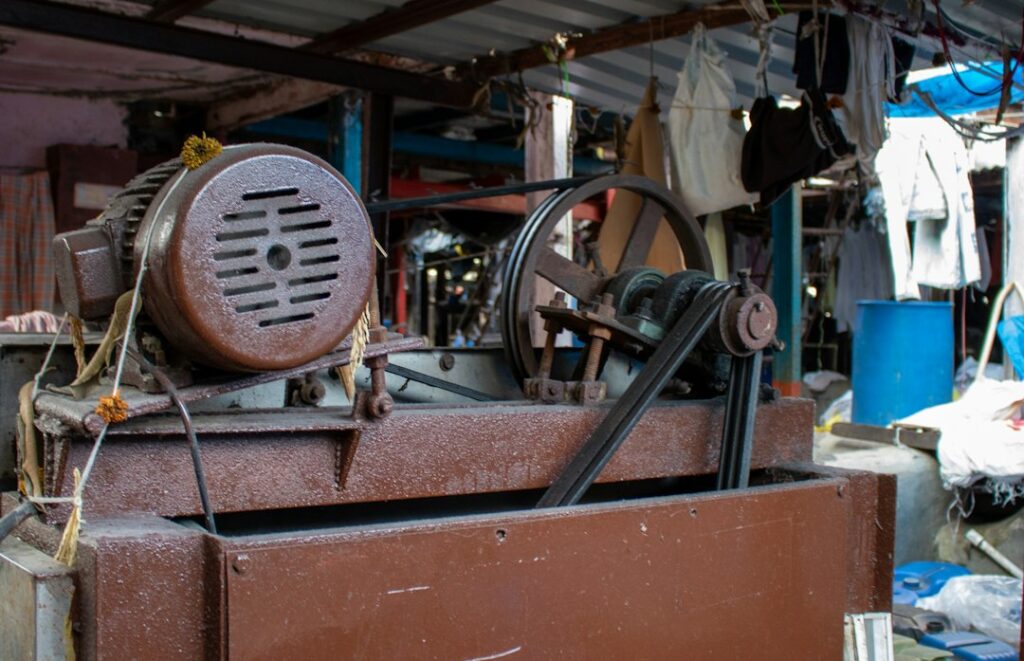
Industrial vibration equipment uses controlled mechanical movement to compact, separate, move, test, or process materials. Although the machines vary widely in size and purpose, they all rely on repeated motion—usually measured by frequency, amplitude, and force—to produce a specific result.
For residents and workers in LIttle Rock, this equipment may appear in construction, manufacturing, agriculture, utilities, material handling, roadwork, and maintenance settings. Some systems are designed to create vibration as part of their normal operation. Others are used to detect unwanted vibration in machinery before it causes a breakdown.
What does industrial vibration equipment do?
Industrial vibration equipment applies oscillating movement to a material, machine, or structure. The motion may be rapid and subtle or slow and forceful, depending on the task.
Common purposes include:
- Compacting soil, gravel, asphalt, or concrete
- Separating materials by size or weight
- Moving bulk materials through a production line
- Removing trapped air from concrete or cast materials
- Testing how products and structures respond to vibration
- Detecting imbalance, looseness, misalignment, or wear in machinery
The term “industrial vibration equipment” covers both equipment that intentionally creates vibration and instruments that measure it.
How is the vibration produced?
Most industrial vibration systems create movement with an electric motor, pneumatic device, hydraulic system, or rotating unbalanced weight.
A common design uses an eccentric weight attached to a rotating shaft. Because the weight is positioned off-center, it creates centrifugal force as the shaft spins. That force causes the machine or attached surface to move back and forth.
Other systems use:
- Electromagnetic coils to create precisely controlled oscillation
- Pneumatic pistons for movement in areas where compressed air is available
- Hydraulic actuators for high-force, low-speed vibration
- Mechanical impact mechanisms for striking or compacting
- Shaker tables that reproduce selected frequencies and acceleration levels
The machine’s control system determines how fast the vibration occurs and how much movement is produced. Operators may adjust frequency, amplitude, direction, or operating time to match the material and the desired result.
What are the main types of industrial vibration equipment?
Different applications require different equipment designs.
Vibratory compactors
Vibratory rollers, plates, and tampers use vibration to rearrange particles and reduce empty spaces in soil, aggregate, or asphalt. The repeated force helps create a denser, more stable surface.
This type of equipment is common during foundation preparation, trench work, utility installation, parking-area construction, and road maintenance. In the local area, changing moisture conditions can affect how soil responds to compaction. Material that is too wet may move or deform instead of becoming firmly compacted.
Vibrating screens and separators
Vibrating screens sort bulk materials by particle size. A motor creates motion in a screen deck, allowing smaller particles to pass through openings while larger pieces travel across the surface.
These systems may be used for aggregate, recycling materials, grain, minerals, powders, and other bulk products. Screen angle, opening size, vibration frequency, and material flow all influence the final separation.
Vibratory feeders and conveyors
A vibratory feeder moves material in a controlled direction. Instead of using a continuously moving belt, it uses repeated motion to advance parts, powders, pellets, or aggregate.
Feeders are useful when a production process requires a steady flow rather than a large uncontrolled discharge. Adjusting the vibration can help regulate the amount of material entering the next stage.
Concrete vibrators
Internal concrete vibrators use a vibrating head placed inside freshly poured concrete. The vibration helps release trapped air and allows the concrete to flow around reinforcement, corners, and embedded components.
External vibrators may be attached to forms or molds. Proper use is important because too little vibration can leave voids, while excessive vibration may cause separation of the concrete mixture.
Vibration testing systems
Testing equipment subjects products, components, or structures to controlled vibration. A shaker table can reproduce conditions that may occur during transportation, operation, or installation.
Engineers use vibration testing to identify weak fasteners, cracked solder joints, structural resonance, loose components, or other design problems. Testing may involve a single frequency, a changing frequency sweep, or a pattern that represents real operating conditions.

Condition-monitoring instruments
Vibration analyzers and sensors measure the movement of operating equipment. They are often installed on motors, pumps, fans, compressors, gearboxes, and other rotating machinery.
A change in vibration may indicate an unbalanced component, worn bearing, bent shaft, poor alignment, looseness, or foundation problems. Monitoring does not always identify the exact cause by itself, but it can provide an early warning before a failure becomes severe.
Which measurements matter?
Three basic measurements help describe vibration.
Frequency is how often the motion repeats, commonly expressed in cycles per second or hertz. A high-frequency signal may be associated with smaller mechanical components or bearing problems, while a lower-frequency signal may reflect imbalance or structural movement.
Amplitude describes the size or strength of the movement. Depending on the equipment and purpose, it may be expressed as displacement, velocity, or acceleration.
Force describes the mechanical effect produced by the vibrating system. A heavier machine or a larger eccentric weight can generate greater force, but higher force is not automatically better. Excessive vibration can damage equipment, disturb nearby structures, or reduce process quality.
Resonance is another important factor. A structure or component may respond much more strongly when the vibration frequency matches its natural frequency. Engineers account for resonance when designing machines, supports, test programs, and foundations.
Is industrial vibration dangerous?
Vibration can be useful, but uncontrolled or prolonged exposure may create safety and health concerns. Workers may experience hand-arm vibration from tools and controls, or whole-body vibration while standing, sitting, or operating mobile equipment.
Possible warning signs include numbness, tingling, reduced grip strength, discomfort, fatigue, and back strain. Cold conditions can make circulation-related symptoms more noticeable. Appropriate controls may include equipment maintenance, reduced exposure time, isolation mounts, damping materials, improved seating, proper work practices, and protective equipment where appropriate.
Vibration may also create non-health hazards. Loose guards, damaged mounts, unbalanced shafts, and cracked supports can allow a small problem to become a serious mechanical failure. Unusual rattling, new movement, shifting equipment, or a sudden change in operating sound should not be ignored.
How does local setting affect vibration work?
Seasonal heat, humidity, rainfall, and changing ground moisture can influence construction materials and equipment performance in LIttle Rock. Soil compaction results may vary with material type and moisture content, while outdoor equipment may require inspection after heavy rain or long periods of heat.
Vibration can also travel through slabs, foundations, steel framing, and the ground. During construction or demolition, monitoring may be appropriate where nearby homes, older structures, sensitive equipment, or occupied buildings could be affected. The goal is not always to eliminate vibration, but to keep it controlled and appropriate for the task.
What should residents notice near vibrating equipment?
Normal operation may include a consistent hum, steady movement, and predictable changes as material enters or leaves the machine. More concerning signs include:
- Sudden changes in vibration intensity
- Repeated impacts or metallic knocking
- Equipment shifting from its original position
- Cracked mounts, loose bolts, or damaged guards
- Dust, material spillage, or unusual heating
- New vibration felt in nearby floors or walls
Industrial vibration equipment works by converting mechanical energy into controlled movement. Understanding the equipment’s purpose, operating measurements, support conditions, and exposure risks makes it easier to distinguish normal vibration from a developing problem.